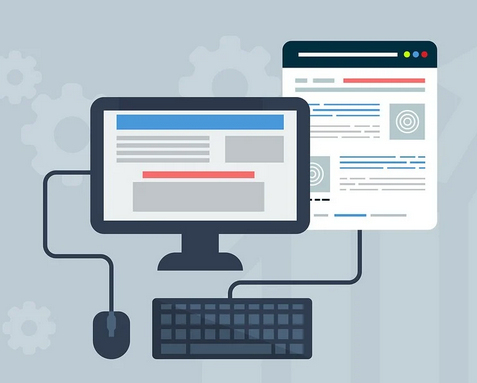
What is a website?
A website is a collection of related web pages, images, and other content, all identified by a common domain name and stored on a web server. Accessible via the internet through a web browser, websites can serve various purposes, such as providing information, selling products, or offering entertainment.
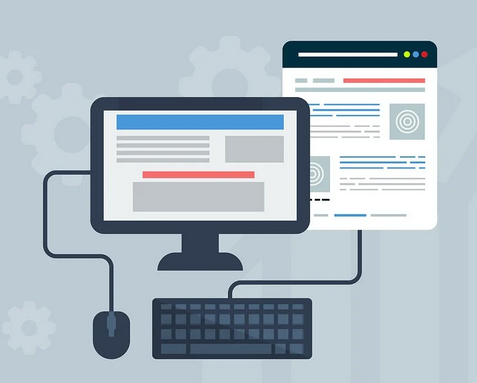
- Structure: Websites consist of multiple interconnected web pages, which users navigate using hyperlinks. The starting page is typically called the home page.
- Hosting: To be accessible online, a website’s files are stored on a 24/7-connected computer called a web server.
- Access: Users access a specific website by entering its web address, or URL, into a web browser like Chrome or Firefox.
- Purpose: Websites can be used for many functions, including providing information on a topic, e-commerce, social networking, and education
Types of Websites?
Types of websites include
e-commerce, blogs, portfolios, business/corporate, and news/magazine sites, which are categorized by their purpose, such as selling products, sharing content, or providing information. They can also be categorized by their technical function as either static (content does not change) or dynamic (content is generated on the fly).
Categorized by technical function:
- Static websites: Display the same content to every visitor, built using basic web languages like HTML and CSS. They are ideal for simple, unchanging information.
- Dynamic websites: The content can change based on user input, time of day, or other factors. They use server-side scripting and are suitable for e-commerce, social media, and news sites.
Categorized by purpose:
- E-commerce websites: For buying and selling products or services online.
- Blog websites: For sharing articles, opinions, and regular content updates.
- Portfolio websites: To showcase a professional’s work, such as a photographer or designer.
- Business/corporate websites: To provide information about a company, its services, and contact details.
- News and magazine websites: For publishing current events and articles.
- Personal websites: A personal online presence for an individual to share thoughts or build a personal brand.
- Membership websites: Require users to sign up or pay to access exclusive content or features.
- Educational websites: To host online courses, tutorials, or other learning materials.
- Social networking websites: To connect users and facilitate social interaction.
- Entertainment websites: For content like videos, games, or music.
A Website Offers Advantages Like:
increased visibility and credibility, cost-effective marketing, and 24/7 availability for customers to access information and make purchases. It provides a platform for lead generation, customer engagement, and gathering valuable customer insights through analytics, ultimately boosting sales and providing a competitive edge.
Marketing and sales
- Increased visibility: A website makes your business accessible globally, 24/7, unlike a physical store with set hours.
- Cost-effective marketing: Websites are a more economical way to advertise compared to traditional methods like print or mass media.
- Boosts sales: It can serve as a virtual storefront, allowing customers to make purchases directly through the site.
- Gathers leads: Websites can generate leads through contact forms and other interactive features.
Credibility and customer relations:
- Builds credibility: A professional website enhances your brand’s reputation and builds trust with potential customers.
- Improves customer service: It provides a convenient way to share information, answer questions with FAQs or chatbots, and offer support outside of business hours.
- Increases customer engagement: You can share updates, post blogs, and connect with customers through integrated social media links.
Operations and insights:
- 24/7 accessibility: Customers can find information, browse products, and complete transactions at any time, which is crucial for busy schedules and different time zones.
- Easy information sharing: Businesses can instantly update product details, share announcements, and publish new content.
- Provides consumer insights: Websites offer valuable data on visitor behavior, which can be used to improve products, services, and marketing strategies.
- Competitive advantage: Having a website is crucial for staying competitive, as customers often research businesses online before making a purchase.
Social Media Marketing:
Social media marketing is the use of social media platforms like Facebook, Instagram, and X (formerly Twitter) to connect with an audience, build a brand, increase sales, and drive website traffic. This includes creating and sharing content, engaging with followers through comments and messages, running paid advertisements, and analyzing results to measure performance. The ultimate goal is to build a loyal customer base and achieve business objectives through strategic, data-driven paid campaigns.
Benefits of social media marketing
Brand building: Increasing brand visibility and creating a stronger, more humanized brand identity.
- Increased traffic: Driving users to your website or other online properties.
- Sales and leads: Generating leads and directly impacting sales and conversion rates.
- Customer service: Providing a direct channel for customer support and issue resolution.
- Market insights: Gaining valuable information about your audience and competitors.
Search Engine Optimization – Benefits of SEO
- Keyword research: Identifying the words and phrases your target audience is searching for.
- On-page SEO: Optimizing individual webpages and their content, including titles, meta descriptions, and image file names.
- Off-page SEO: Building a website’s authority and reputation, often through getting other reputable websites to link to it.
- Technical SEO: Improving a site’s overall performance and accessibility, including site structure and technical elements that help search engines crawl and index it effectively.
This is the practice of optimizing a website to rank higher in organic (unpaid) search results.
- Increased visibility: Higher rankings on search engine results pages (SERPs) mean more people will see your site.
- More organic traffic: It drives unpaid traffic to your site, which can increase brand awareness and potential sales.
- Improved user experience: Optimizing for search engines often means creating a better, more user-friendly experience for visitors.
- Credibility and authority: Websites that rank higher are often perceived as more credible and authoritative by users.
Search Engine Marketing
SEM is a digital marketing strategy used to increase a website’s visibility on search engine results pages (SERPs). It encompasses both paid advertising, such as pay-per-click (PPC) ads, and organic methods like search engine optimization (SEO). Businesses use SEM to drive qualified traffic and improve brand visibility by targeting specific keywords with their ads.
- Paid Search Advertising (SEA): This involves paying for advertisements that appear at the top of search results, often labeled as “Ad”. Businesses bid on keywords, and their ads are displayed when a user searches for those terms. They typically pay a fee each time a user clicks on their ad (PPC).
- Search Engine Optimization (SEO): This is the practice of optimizing a website to rank higher in organic (unpaid) search results. It involves a variety of tactics to improve visibility over the long term, such as creating high-quality content, building backlinks, and ensuring a good user experience.
- Keyword Targeting: A crucial part of SEM is identifying and bidding on relevant keywords that potential customers might use in their searches.
- Ad Campaigns: SEM involves creating and managing paid advertising campaigns on platforms like Google Ads. These campaigns are designed to drive traffic and achieve specific goals, such as increasing sales.
Benefits of SEM
- Increased visibility: SEM helps make a website more visible to people actively searching for its products or services.
- Targeted traffic: It allows businesses to target their ads to a specific audience, leading to more qualified leads and potential customers.
- Short-term and long-term results: Paid search provides immediate traffic, while SEO builds a foundation for sustainable, long-term organic growth.
Benefits & Ways of Digital Marketing
The key to successful marketing has always been about connecting with the target audience in the right place, at the right time. Today – when screen-time of consumers is at an all-time high – the best place to meet them is: on the Internet.
There are several types of digital marketing channels that can be used to achieve different marketing goals. Here are some common digital marketing channels and their potential uses:
1. Search Engine Optimization (SEO): SEO focuses on optimizing a website’s content and structure to improve its visibility and ranking on search engine results pages. It helps drive organic traffic and improve brand visibility.
2. Pay-Per-Click Advertising (PPC): PPC involves placing ads on search engines or other platforms and paying when users click on the ads. It can be used to increase website traffic, generate leads, and drive conversions.
3. Social Media Marketing: Social media platforms like Facebook, Instagram, Twitter, and LinkedIn provide opportunities to engage with a target audience, build brand awareness, and drive traffic to a website or landing page.
4. Content Marketing: Content marketing involves creating and distributing valuable, relevant, and consistent content to attract and retain a specific audience. It can be in the form of blog posts, articles, videos, info-graphics, or podcasts and helps build brand authority and nurture customer relationships.
5. Email Marketing: Email marketing involves sending targeted messages to a list of subscribers. It can be used to nurture leads, drive conversions, promote products or services, and build customer loyalty.
6. Influencer Marketing: Influencer marketing leverages the reach and influence of popular individuals or content creators to promote a brand or product. It can help increase brand awareness, reach new audiences, and drive engagement.
7. Affiliate Marketing: Affiliate marketing involves partnering with affiliates who promote your products or services in exchange for a commission. It can help expand your reach, drive sales, and increase brand exposure.
8. Display Advertising: Display advertising involves placing visual ads on websites, mobile apps, or social media platforms. It can be used to raise brand awareness, drive website traffic, and re-target users who have shown interest.
9. Video Marketing: Video marketing utilizes video content to engage and communicate with the target audience. It can be used to showcase products, provide tutorials, share customer testimonials, or create entertaining content to increase brand engagement.
10. Mobile Marketing: Mobile marketing focuses on targeting mobile device users through tactics like mobile ads, mobile apps, and SMS marketing. It can be effective for reaching on-the-go consumers and driving local foot traffic.
The selection of digital marketing channels depends on the specific marketing goals, target audience, budget, and industry. An effective digital marketing strategy often combines multiple channels to maximize reach and achieve different objectives.
ACS DIGITAL MARKETING
9104038487 / 8460765529
deepaklab86@gmail.com